Featured

How has digital convergence affected your life?

Weekly Reflection Post

Welcome to my first blog reflection post. Many more posts to come from here on out!

For this first post I considering writing about how my career has evolved due to digital convergence over the years since I started in communications back 2000. But, I decided to go a different direction and explain one personal way digital convergence has helped keep me feeling connected to home.

When I was living and working in NYC a new Radio program started on our local sports station, WFAN. (That’s an AM station)
Originally called Boomer and Carton (now Boomer and Gio) it co-stared a Long Islander, former NFL MVP Quarterback Boomer Esiason and a comedian Craig Carton (now another comedian/radio personality Gregg Giannotti.) There was instant chemistry between the two and the show took over the local airwaves and became my morning commute show. I loved it!
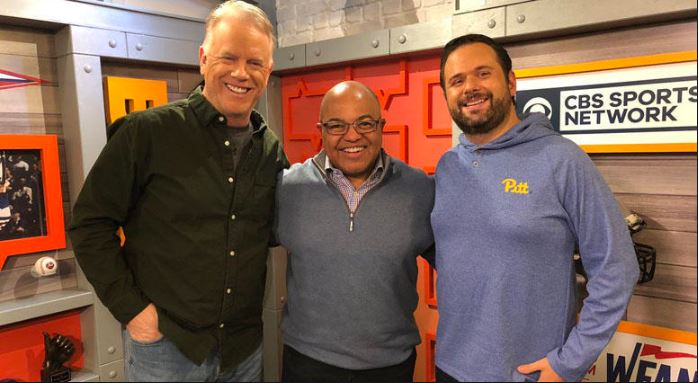
Note: Newhouse Alumnus and Celebrated Sportscaster Mike Tirico is pictured after an on-air interview with Boomer and Gio.

A few years after the program launched we decided to move our family to Upstate New York. Syracuse to be exact. Not a market that WFAN radio would reach.

I missed my morning sports show and struggled to find the right local replacement, no offense to Syracuse’s local morning shows.

With the emergence of digital convergence soon I was able to find my former favorite NYC morning show on iTunes Podcasts and radio streaming apps like Tune-In and Radio.com

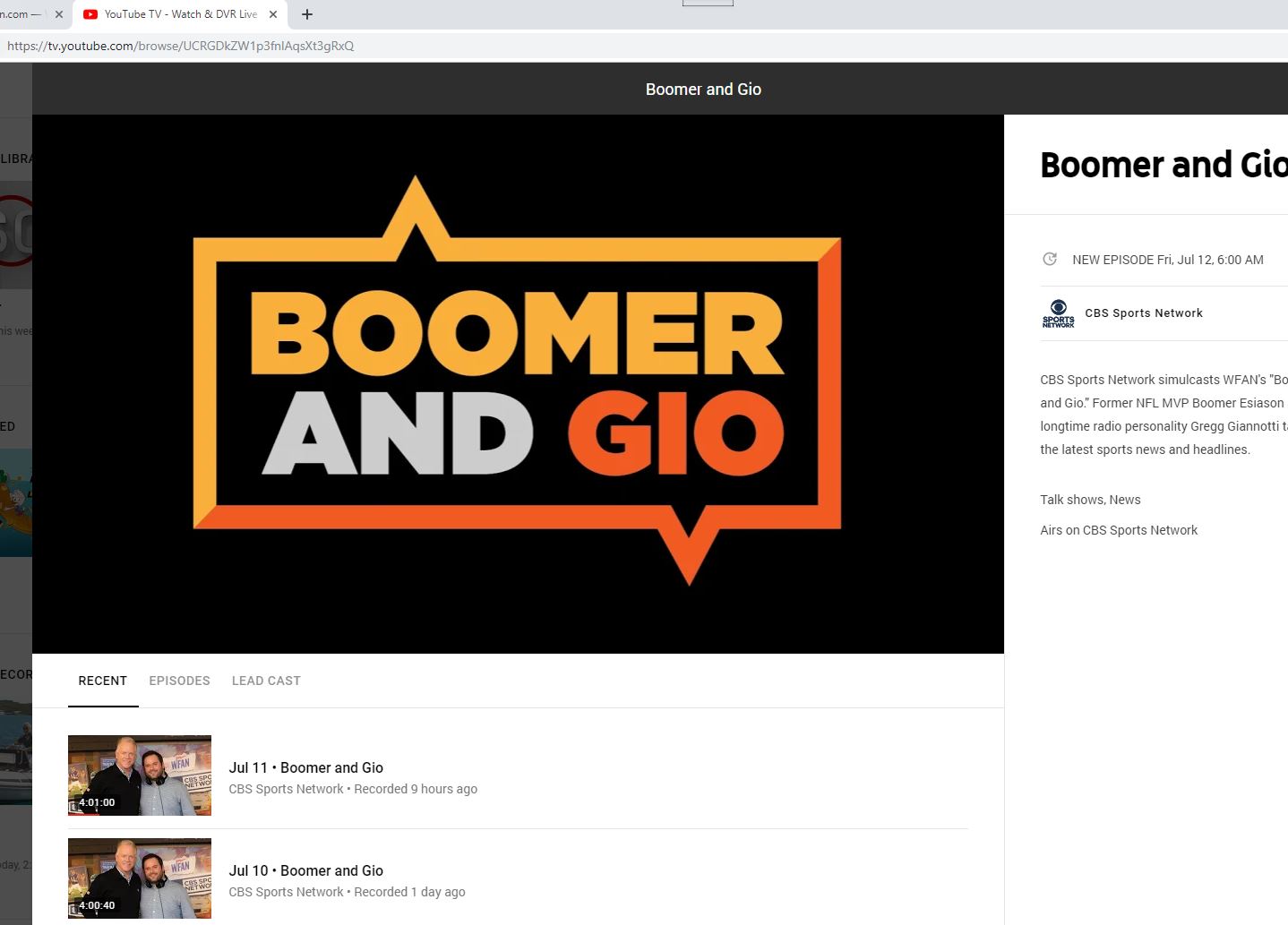
Shortly after that development, CBS Sports Network agreed to simulcast the show on their sports TV station. So now I’m not only able to listen to my NYC radio show in real time, I can watch the radio show live from their NYC studio.
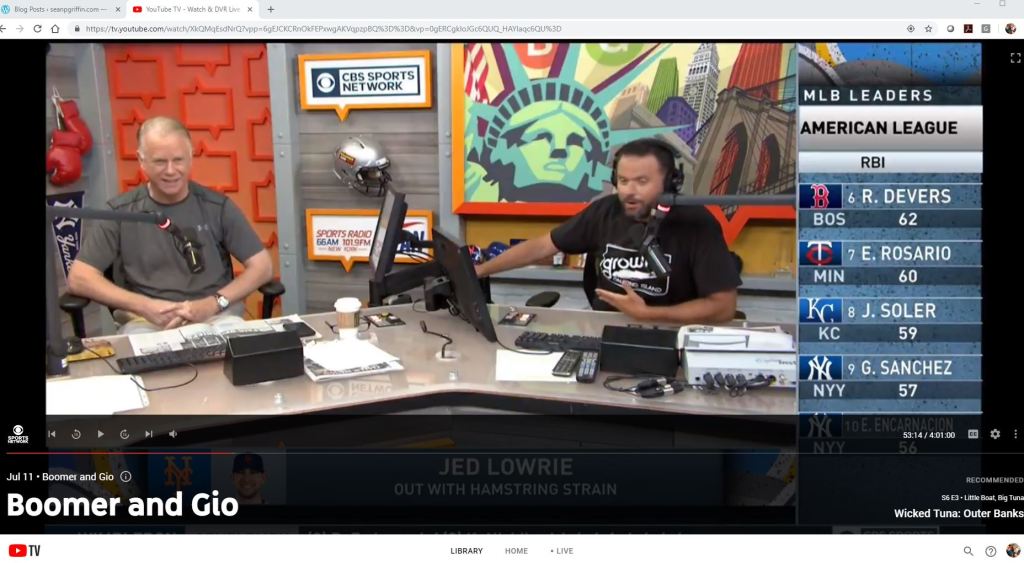
Boomer and Gio – CBS Sports Network via YouTubeTV

I can even follow the radio show on Twitter for additional content and updates. So a traditional, local AM radio show was now accessible through radio streaming apps, podcasts, social media, and television simulcasts. The product didn’t change, just the way its content was distributed. Digital convergence allows people to consume that content any way their prefer.
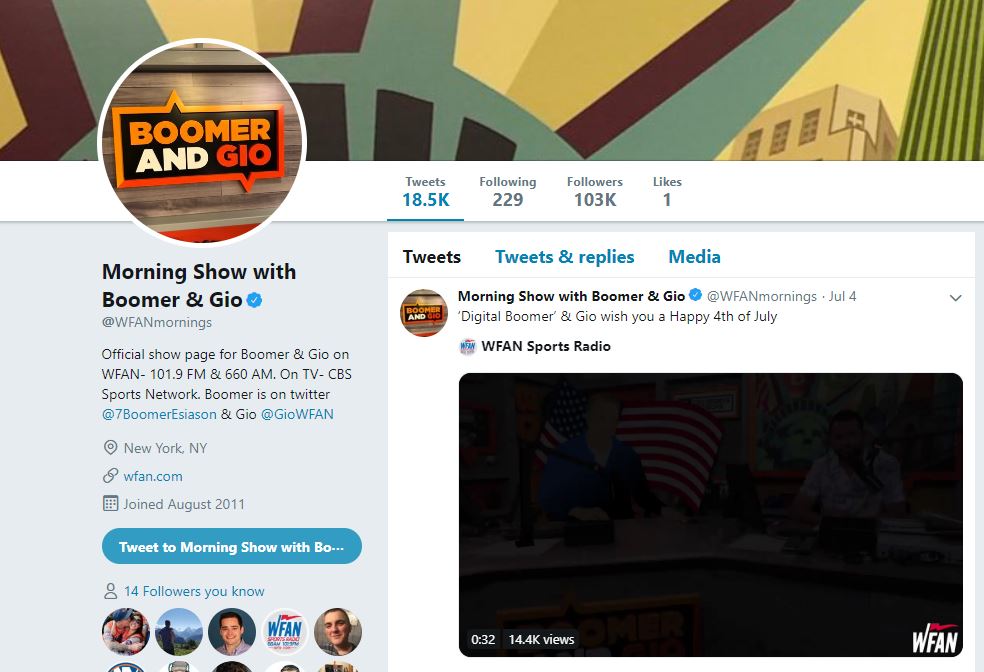
All of this has me feeling more connected to my former local radio show then when I was actually living in NYC!

That’s one example of how digital convergence has affected my personal life. Allowing me to stay fully connected to an element of my original home and even providing me with some smiles when I hear the NYC traffic updates that I no longer need to worry about. 🙂
Week 1 Blog Post

I first started with Facebook but gradually added Twitter. I used social media mainly on a personal side.   As I progressed in my career, I began to take it more seriously and saw the benefits of other platforms, like LinkedIn and YouTube.

My experience through the various platforms has been positive but personally and professionally.  Recently, that has changed.  The current political situation our country is in has opened my eyes to personal views of my friends and connects that I never knew before.  I also saw sides of people that had never been shown before.  It’s a more negative and nasty space right now and I find myself having to take a break more often for my personal mental health.

I found a few points on the Internet Trends report to be interesting.  First that 71% of employees believe it’s critically important for their CEO to respond to challenging times and expect them to speak up.  That’s not what CEOs of the past have ever really done but it’s interesting to think that it is/will be essential for today’s CEOs to do. Additionally, I found it interesting that 52% of consumers say they get frustrated when brands don’t offer any human interaction.  That resonates with me and I believe more human interaction is needed across the board with business communications.

I’m really interested to learn more about where social media is going.  It’s an ever-changing space with new “it” platforms like Tik Tok rising each day.

Using WordPress for Your CMS

Week 8 Post for ICC 612

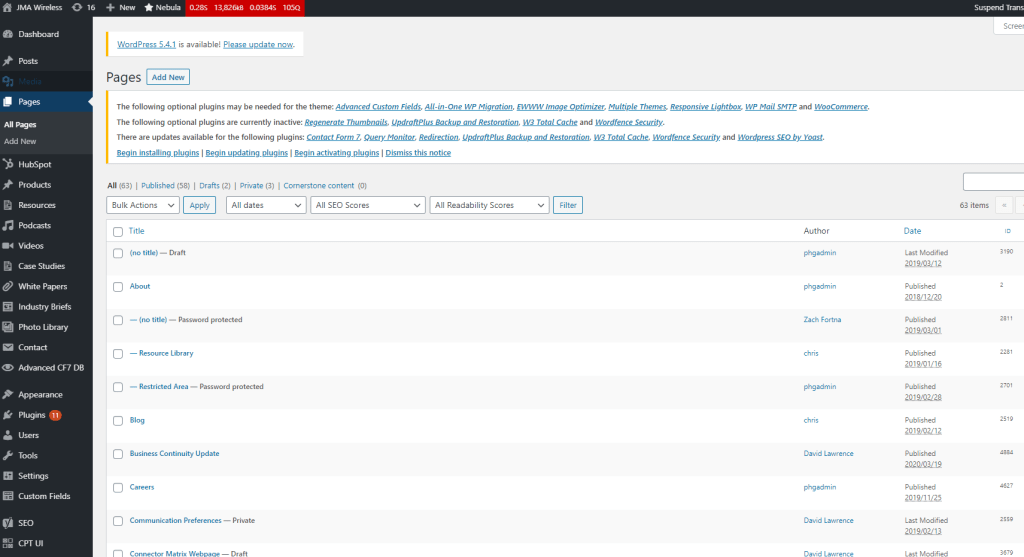
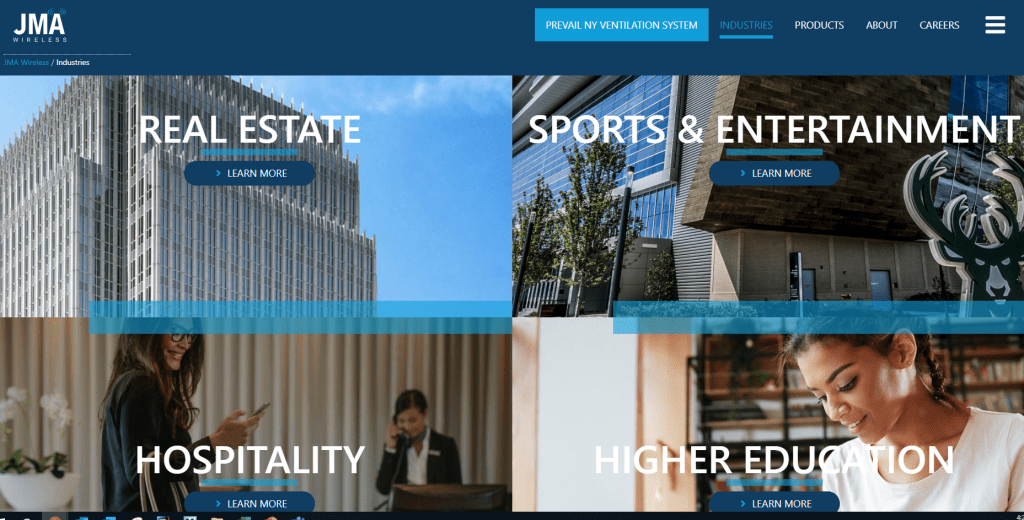
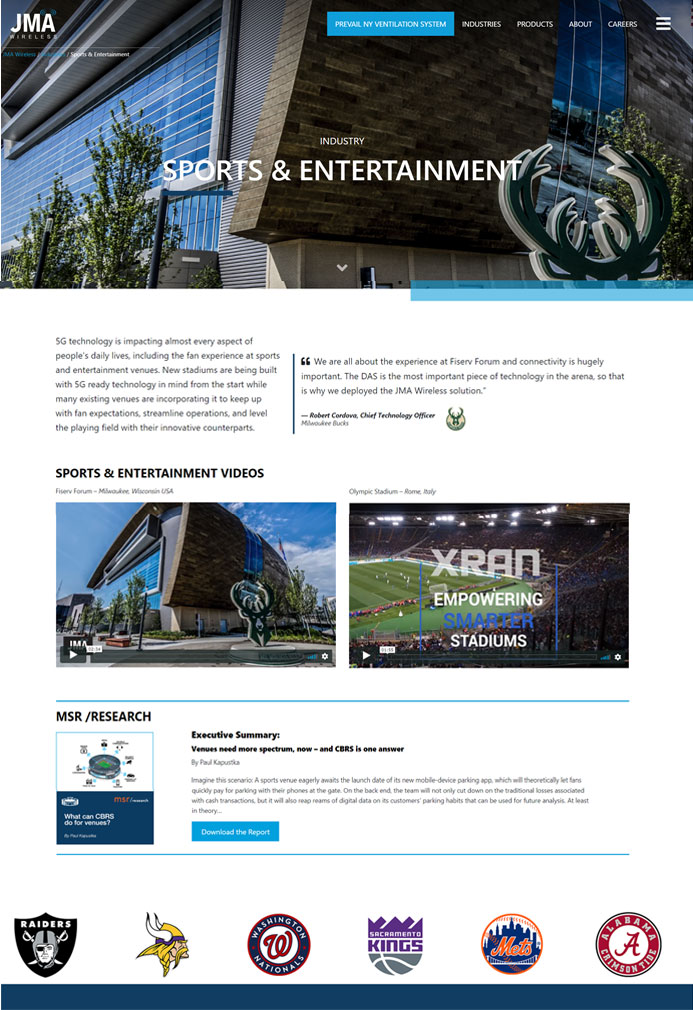
I’ve worked with WordPress for a number of years on the blogging side.  A few years ago we transitioned our corporate website CMS from Expression Engine to WordPress and it was a great decision.  I believe WordPress is one of the most versatile and easy to use CMSs available.  It’s a very flexible platform which affords you the ability to create a quality site if you’re just starting out by using it’s built in themes and features. If you’re a business, you can really dive in a customize the features of this CMS to fit your company’s needs.  There is the ability for multiple content users, version controls, image library and various other features that make managing your website easier.

Here’s a view of the CMS for my company website:

The page editing features are simple and easy to use. Additionally, you have the ability to get creative and design visually compelling elements if you have some basic HMTL knowledge.

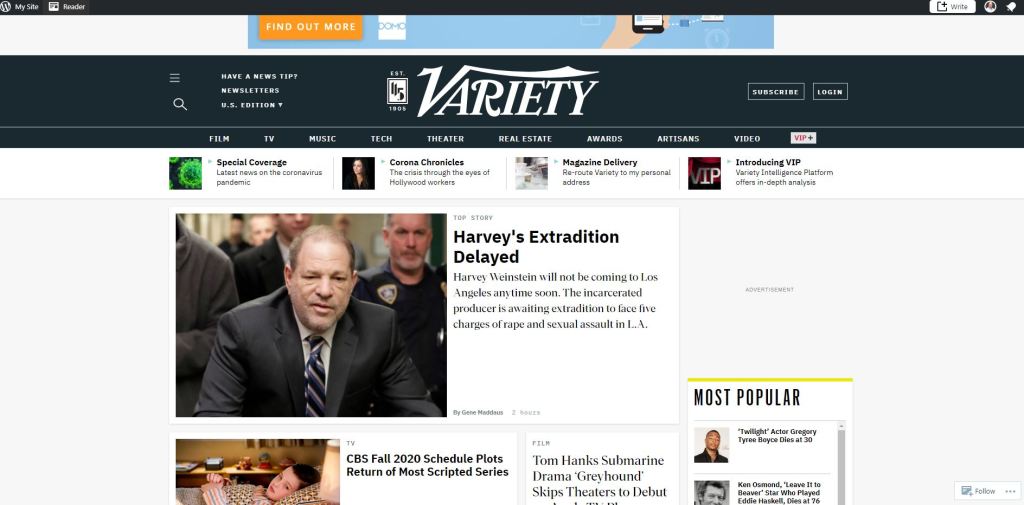
Creating pages within your site is easy and you can customize the look to a more visually compelling navigation. There are many major bands that use WordPress as their CMS that many may not realize. Some of those include Sony Music, Vogue, Variety, NY Post, The Walt Disney Company and many more.

There are not many downsides to using WordPress as your CMS.  If you’re just starting out, the themes are limited.  You really need to be able to develop design in code to fully utilize the capabilities of this CMS.  It allows for customization, which is a huge asset for people running websites. If you’re new to web development that may become a negative since you need the ability to code to really have compelling features integrating into your site. 

Regardless, I still feel like WordPress is great for beginners based on the features and themes if comes with. Overall, it’s the cleanest and most users friendly CMS I’ve come across and I don’t believe I’ll switch out from using WordPress anytime soon.

Reflecting on What I Learned

Weekly Reflection Post

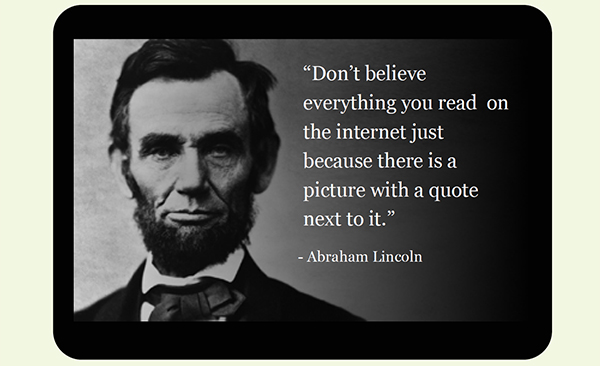
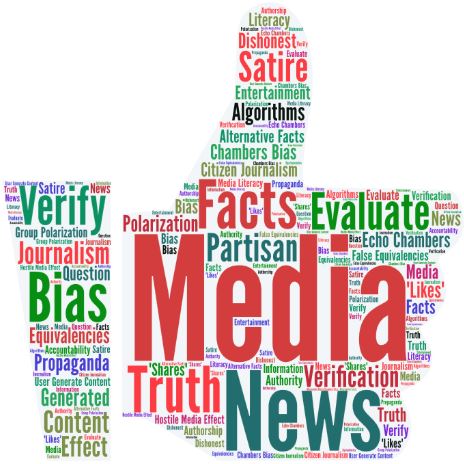
My first college class in 20 years is complete and I learned a lot of new things! One topic in particular that’s really stayed with me is the topic of Media Literacy and how truly important that skill is.

As we know we live in the information age and never in history has so much information been so readily accessible to the masses. From the palm of our hands we’re able to access news and information from around the world, even as it’s happening. Technology has played a huge role in the evolution of media and its availability. The challenge is that same technology which has helped create the information age also afforded everyday people with the ability to broadcast and develop content on their one. So media and messages we see on a daily basis have become increasingly hard to validate.

It’s for that reason Media Literacy has become critically important and I feel it may be something I took for granted, I was not aware of how many people in our society are not media literate. Without that critical skill they are taking in everything the see, read and watch online as fact!

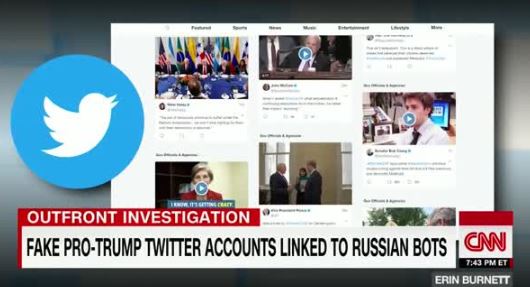
Unfortunately there is a great deal of misinformation and often sinister motives behind that information which the untrained eye will miss. In our global, digital society, that misinformation can have lasting impacts on government policies, personal decisions and in some cases, national elections. We witnessed the power of this in the form many Russian misinformation bots targeting individuals on social media platforms to persuade their decisions during the 2016 Presidential Election.

Instead of questioning sources, examining the content and analyzing what the goal is behind the message they are reading, many non-media literate people take what the see and read on the internet as fact!

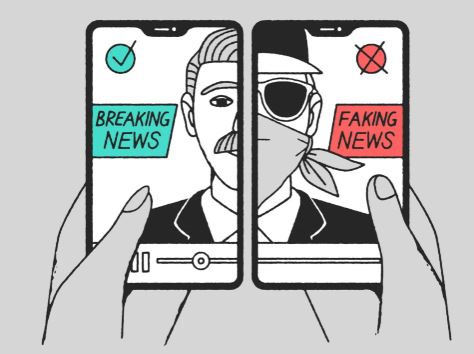
As technology continues to evolve the importance of media literacy is only growing. We’re entering into a time where “Deep Fakes” are beginning show up. Those are a clear challenge to a normal functioning society as they are extremely difficult to spot even for experience media critiques.

This post is not meant to be alarmist. I see a silver lining and it comes in the form of the education of our society. From older generations to lower income populations, there needs to be programs dedicated to growing the media literacy of our society. Without it, the gap will begin to widen similar to the Digital Divide where those who have Media Literacy skills will be well informed while the non-media literate people in society will fall further and further behind with the lack of knowledge and misinformation they are digesting on a daily basis.

Our world is not getting less digital and the information will not slow down. We need to help all citizens understand how to engage, dissect and understand the media that’s presented to them. I feel that is of critical importance for the growth of our society. I have this course to thank for opening my eyes to this critical need in our society.

The Threat of Deep Fakes

Weekly Reflection Post

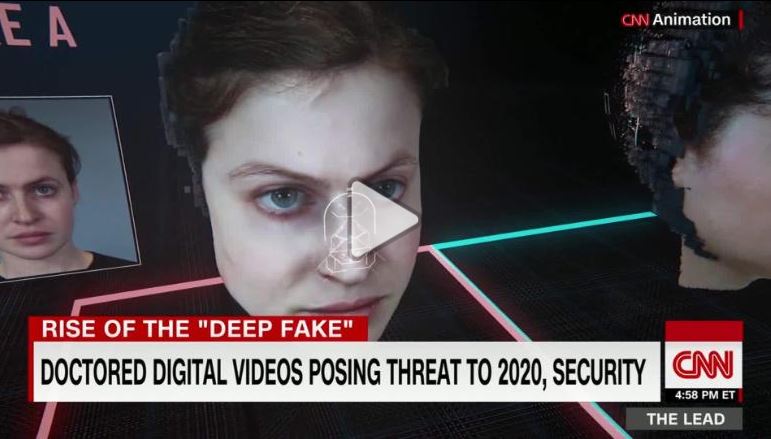
I’m usually all for technological advancements but Deep Fakes have me scared.  During a point in history where there is so much political and social divide in our county and the world, Deep Fakes have the ability to push that divide further.

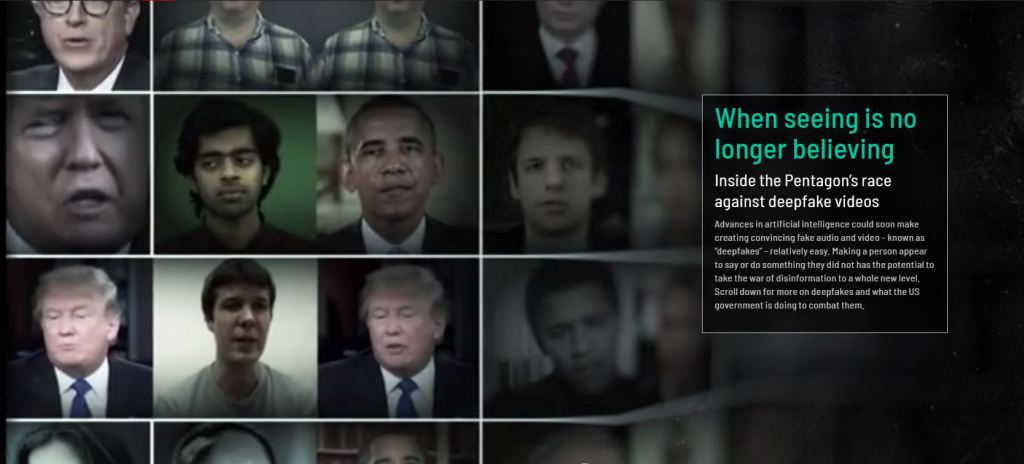
CNN image on Deep Fakes

I feel it’s important that the US government and the governments of the world develop ways to combat Deep Fakes.  There is already a huge issue with inaccurate news reports and people who are unable to determine what’s true due to a lack of media literacy.  Deep Fakes would push that issue further.

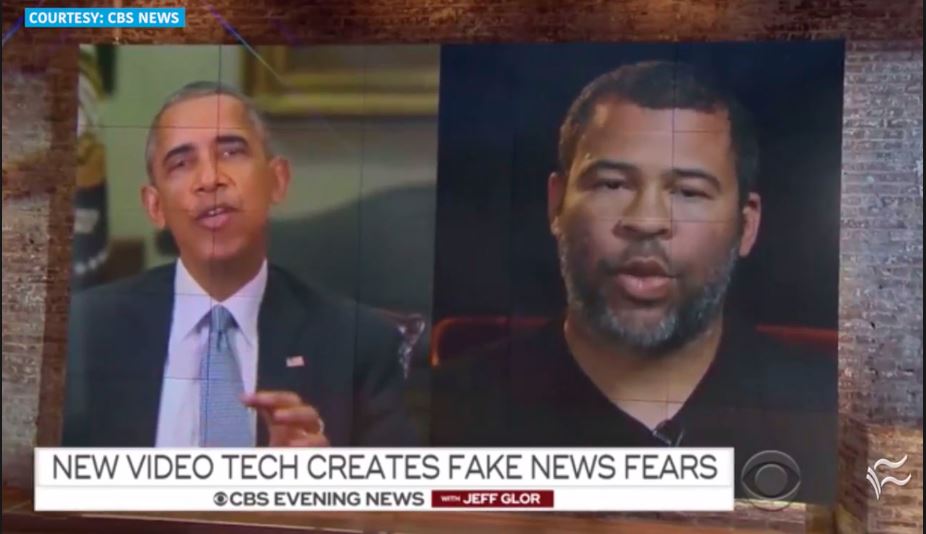
Jordan Peele did a video to bring attention to the potential of Deep Fakes.  He did a side by side video with a video of President Barack Obama, speaking for him.  It was scary how real the Obama video seemed.

Jordan Peele Deep Fake Video on CBS This Morning

The fact that some people, and in the near future most people, have access to a technology that swaps faces and sometimes voices on people to make them look like they are saying something is incredible.  I normally try to look on the bright side of things and point out the positive effects of something, but this technology scares me in a very deep way.  I see horrible potential of fake news stories manifest from Deep Fake videos depicting world leaders saying statement they did not actually say.  The technology is so good, and getting better, that it’s very difficult to spot a Deep Fake.  The News Media will have their hands full trying to validate video sources as real and the public will look at videos as actual footage.  The potential for global harm is huge and I feel there needs to be preventive action against the technology and the companies developing it.  From elections to global conflict, this technology offers the ability to create fraud and information conflict like no other technology before it.

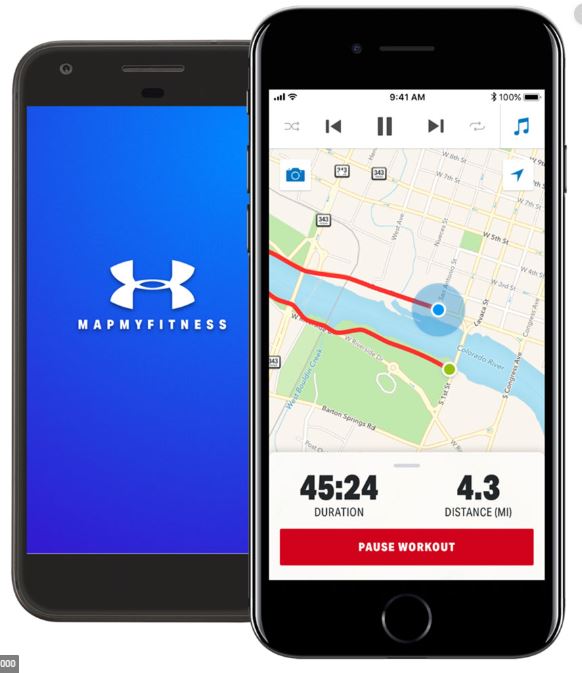
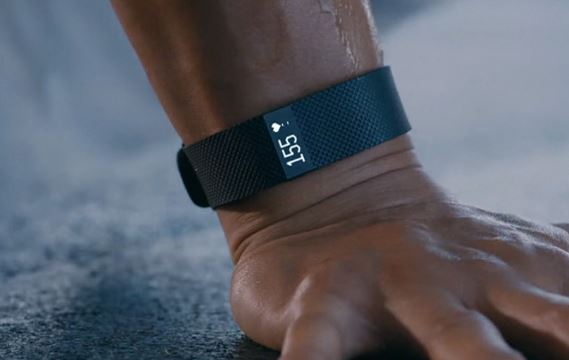
All of these seem great for the user and in many ways they are.  They help us track our miles, our calorie intake and our heart rates.  The provide us with goals to achieve and a digital converged experience where we can have our music, running route and heart rate all in one digital device.

Here’s an eye-opening Ted Talk on Deep Fakes:

2018 TED Talk on Deep Fakes

Big Data in Health & Fitness

Weekly Reflection Post

As our world becomes more and more digitized the value on our personal data increases.  Big Data is in every aspect of our lives, including our Health and Fitness.  Most of us have used and currently use some type of fitness tracking app.   May My Run, Nike+, Fitbit, Peloton and many others.   There are personal devises we use as well, like smart watches and smart phones.

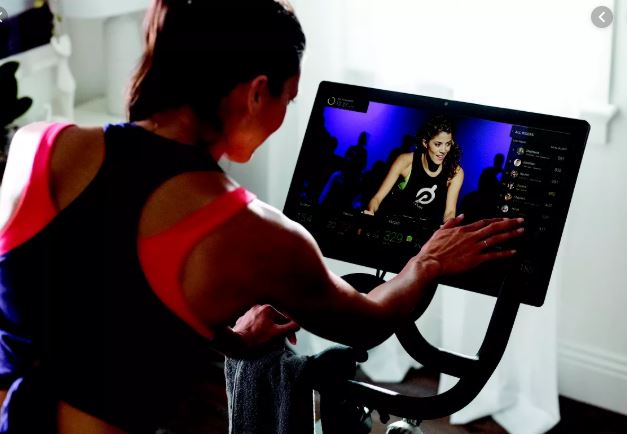
Peloton Bike and Interactive Tablet

All of these seem great for the user and in many ways they are.  They help us track our miles, our calorie intake and our heart rates.  The provide us with goals to achieve and a digital converged experience where we can have our music, running route and heart rate all in one digital device.

What many do not realize is the about of personal data we’re providing our fitness app with.  They are able to monetize our activity data as well as our profile data.  Many fitness companies will use this information to better streamline and update their apps for a better experience.  But many also turn that data into revenue by providing analytics companies and health insurance companies with insights into the health and wellness of their users.  The data can be drilled down by age, race, gender, region of the country, world, etc.   This information is extremely valuable to certain companies and we as users are just providing it free of charge.  Actually, we’re paying a company to take our personal data and sell it for profit. 

FitBit – Personal Health and Activity Data

There are benefits to the users, better health, better insight into their personal activities and that can have many long term positive impacts.  It’s just the use of the Big Data that users should be weary of and another reason personal privacy and personal data need to be a right protected by the Constitution.  Some of us will be wise to not give too much information up, but the majority of the public is not digital literate enough to realize what they are giving these companies when they sign up.

Inequality In Broadcast Ownership

Weekly Reflection Post

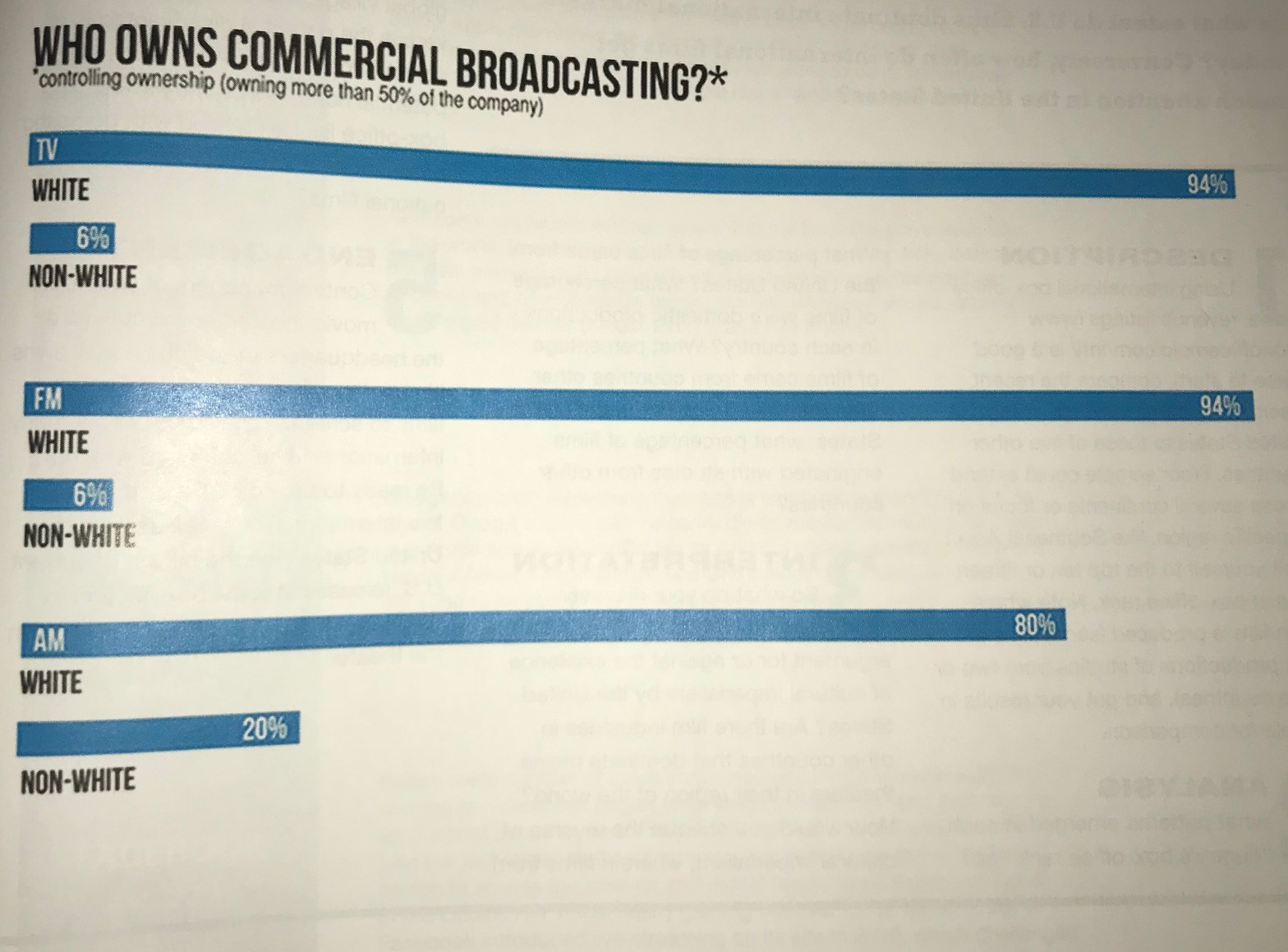
It was shocking to read the case study in our text book by Kristal Brent Zook.   It spoke about how less then 2% of radio stations and television stations are owned by African Americans. The article describes how there were some programs in the past put in place by the FCC for example that began to help close the enormous gap that is caused by racism and inequality. 

The implementation of a Minority Ownership Policy began to help by providing tax incentives for people to selling stations to minority owners.  The incentive worked and black ownership started to steadily rise over the seventeen years it was in place.  It was still a far cry from equality in broadcast ownership and a reminder of the overt racism that the African American community has been subjected to throughout history and still is today.   Sadly, this small step towards an even playing field was removed by Congress in 1995 and the percentage of Black owned TV and Radio stations declined. 

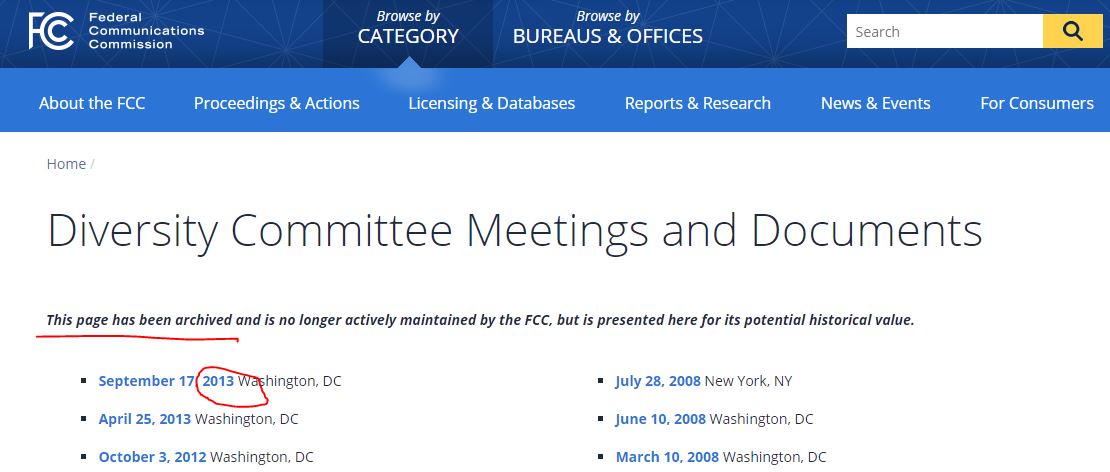
The article mentioned how little has been done since 1995 and how large companies continue to buy up small owned stations, many of which were the few Black Owned companies in the industry.  Looking on the FCC’s website you can see what was explaining in the article the Diversity Committee which was put in place by the FCC to address this issue and submit reports on diversity and minority ownership has not formally met in over two years. 

FCC’s Diversity Committee does not have an active page on their site and has not been updated since 2013.

This article is a few years old so I looked on the FCC website and found that the group does not even have an official section of the website.  It has been achieved and hasn’t been updated in 2013.  That’s incredibly disheartening and provided further examples of the disregard and racism the Black Community faces.

Organizations like NABOB (National Association of Black Owned Broadcasters) are fighting for equality and providing Black owners with support to fight in this unequal playing field.

This is a problem not only for the Black Community but for the country as a whole. Programs we are watching and listening to are lacking the culture and diversity that make this a great country. By not having equal ownership in broadcast stations diverse views and cultural representation are excluded. In the process an entire community is keep down in the name of profit gains and racism.

Programs like the Minority Ownership Policy need to be put back in place and more programs need to be implemented to provide funding support and incentive to Black and Minority Owners to purchase stations or start new stations and begin to change this narrative.

The Digital Divide

Weekly Reflection Post

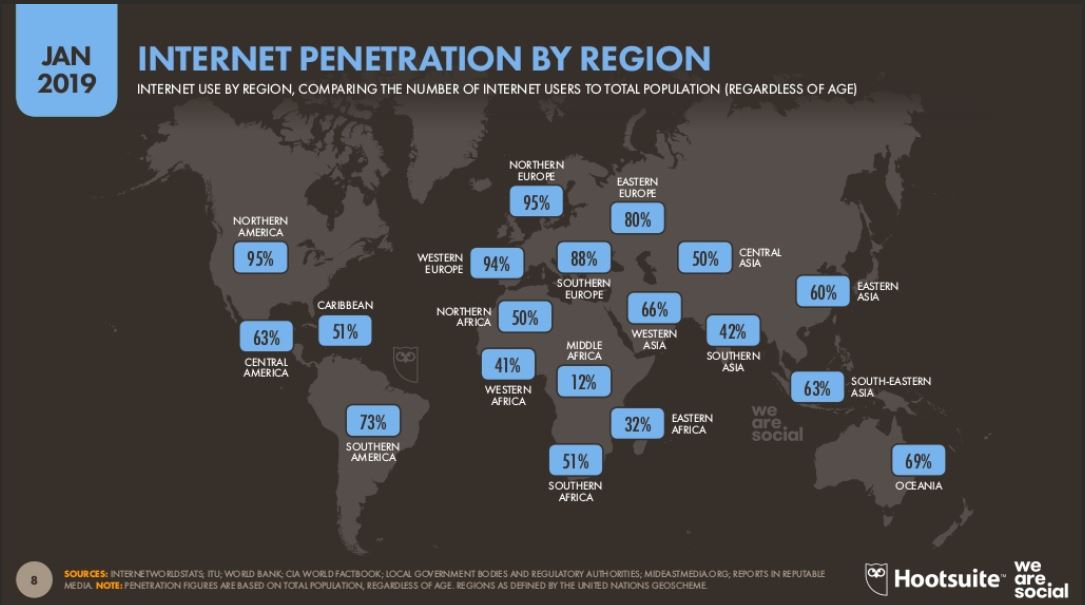
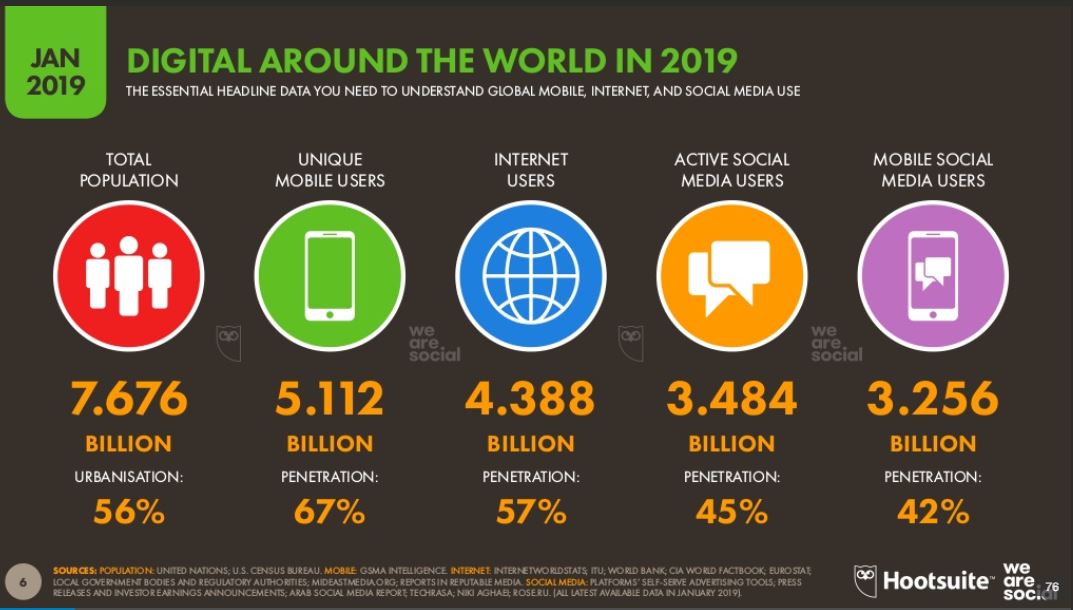
The digital divide is the one of the major problems facing today’s modern world.  As some countries and regions of countries flourish with modern access to broadband internet.  Other regions of the world are left in the past.  Without equal access to the internet civilians of the world are intellectually isolated and unable to connect with modern day news, events, communication, and everyday tasks such as banking, research and knowledge gaining.

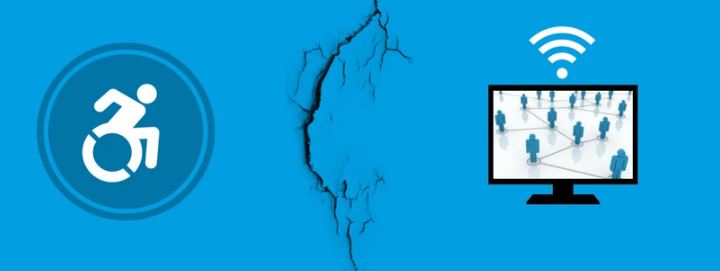
One way to help solve this problem is to pave the way for internet to be easily access regardless of your location.  For areas in the US for example, the government could provide mobile phones to impoverished areas and provide incentives or funding for ISPs to enhance or deploy new internet infrastructure to rural and hard to reach areas of the country.   In these modern times, access to the internet should be considered a basic human right and need to operate in today’s society.   That’s why it’s also critical even for areas that have internet access to ensure their content is access to disabled individuals like hearing and sight impaired citizens.  Audio readers, enhanced visual aids, closed captioned.  Disabled Citizens lack of access is another form of digital divide and one that can easily be addressed. 

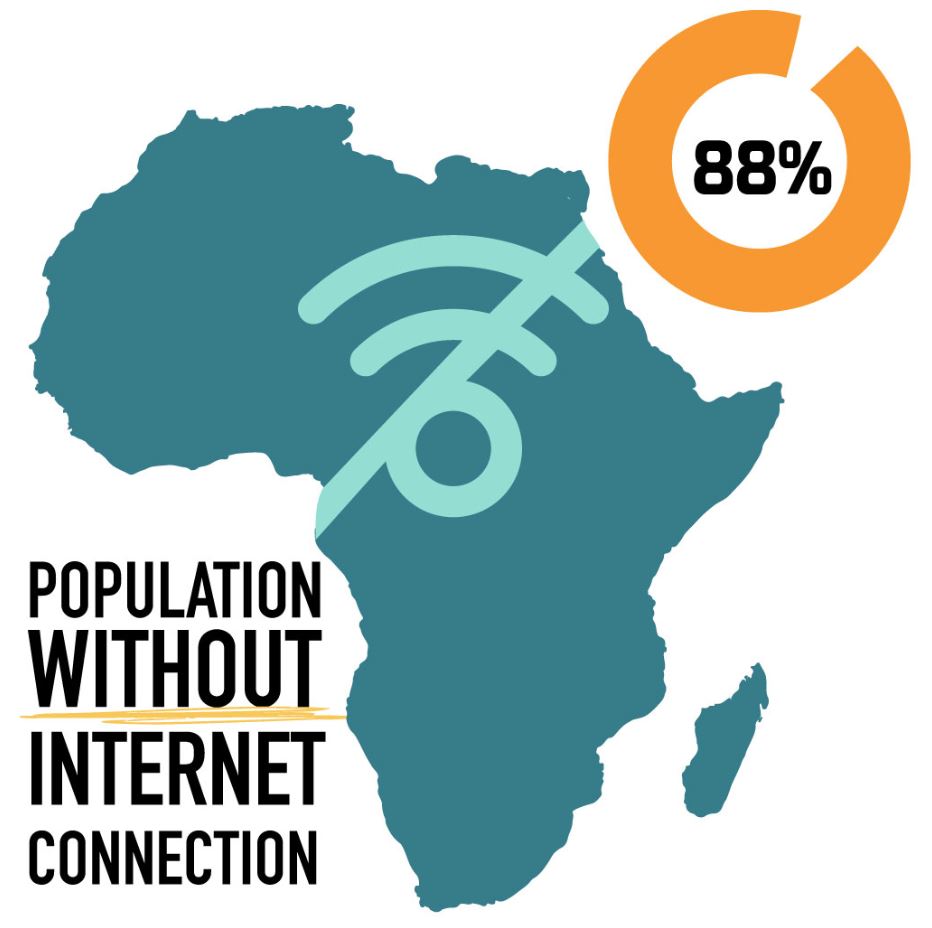
That idea to be expanded to countries around the world.  Many underdeveloped countries have virtually no access to the internet. 

It’s global problem that needs a global solution.  The UN should develop a unilateral program to help countries without access develop ways to deploy internet infrastructure.  Those improvements would not only help the lives of their citizens but would eventually benefit each country economically, expanding the knowledge and education levels of their citizens